How to Get the Best Exchange Rate When Traveling Abroad
Save money on currency exchange when traveling abroad. Learn where to exchange, what to avoid, and smart strategies for more value.
Before You Travel
1. Research the Current Exchange Rate
Before your trip, check the mid-market rate using a reliable converter. This is your benchmark for evaluating any exchange offers you receive.
The mid-market rate is the midpoint between buy and sell prices on global currency markets. No exchange service gives you this exact rate, but the closer they get, the better the deal.
2. Notify Your Bank
Tell your bank about your travel plans to avoid having your cards blocked for suspicious activity abroad.
3. Get a Travel-Friendly Card
Consider cards that offer:
- No foreign transaction fees
- No ATM withdrawal fees abroad
- Competitive exchange rates
- Travel insurance benefits
- Use ATMs abroad - Usually offer rates close to mid-market
- Pay with a no-fee credit card - Convenient and good rates
- Local banks - Better rates than tourist areas
- Online currency exchange - Order in advance for pickup
- Airport exchanges - Markups of 10-15% are common
- Hotel currency desks - Convenience comes at a premium
- Tourist area exchanges - High commissions and poor rates
- Dynamic Currency Conversion - Always pay in local currency
- Withdraw larger amounts less frequently to minimize fees
- Use ATMs inside banks (safer and often lower fees)
- Decline the ATM's currency conversion offer
- Check if your home bank has partner banks abroad
- Use cards for larger purchases
- Always choose to pay in local currency
- Keep a backup card from a different network
- Track spending with your banking app
- Carry some local currency for small purchases
- Keep small bills for tips and markets
- Use a money belt for security
- Exchange leftover currency before leaving
- The exchange rate offered vs. mid-market rate
- Commission fees (flat fee or percentage)
- ATM withdrawal fees (both from your bank and the local ATM)
- Minimum exchange amounts
- Hidden fees in the "no commission" offers
- Mid-market rate: 0.92 (you should get €460)
- Airport rate: 0.85 (you get €425)
- You lose €35 (about $38)
- Widely available ATMs
- Cards accepted almost everywhere
- Avoid exchange bureaus in tourist areas
- Cash is still king in many areas
- ATMs may have low withdrawal limits
- Negotiate rates at local exchanges
- US Dollars often accepted
- Be cautious with unofficial exchanges
- Keep small denominations handy
- Exchange remaining foreign currency
- Check credit card statements for any issues
- Save some coins as souvenirs (they can't be exchanged)
- [ ] Check mid-market rate before traveling
- [ ] Get a no-foreign-fee card
- [ ] Notify bank of travel plans
- [ ] Calculate ATM withdrawal strategy
- [ ] Avoid airport/hotel exchanges
- [ ] Always pay in local currency
- [ ] Keep backup payment methods
Where to Exchange Currency
Best Options (Ranked)
Avoid These Options
Smart Strategies While Traveling
The ATM Strategy
The Credit Card Strategy
Cash Tips
Understanding the True Cost
When comparing exchange options, consider:
Calculate the Total Cost
If exchanging $500 USD to EUR:
Country-Specific Tips
Europe (Eurozone)
Asia
Latin America
After Your Trip
Quick Reference Checklist

Andrew
·Founder of ConvertzBuilding free, accurate conversion tools for everyone. All content is AI-assisted and editorially reviewed for accuracy. Learn more about Convertz
Try Our Free Converters
Convert currencies, cryptocurrencies, units, and files instantly with our free online tools.
Related Articles

The Dollar Just Hit a 4-Month Low — What a Weaker USD Means for You
The DXY fell to a 4-month low in May 2026 as Powell exited the Fed and Kevin Warsh prepares to take over with a dovish tone. Here is what a weaker US dollar actually means for travel, savings, gold, and investments — and what to do now.
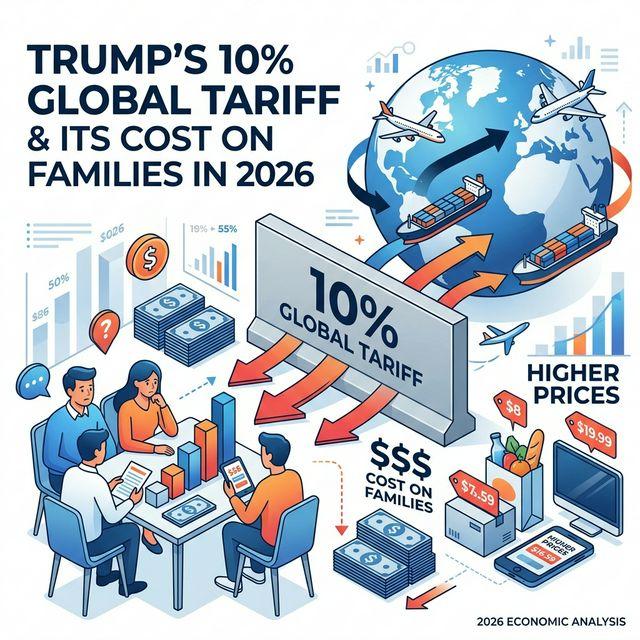
Trump's 10% Tariff: What It Costs Your Family
The Section 122 tariff costs families $1,300-$1,700/year per Yale Budget Lab. What's more expensive and how to protect your wallet.
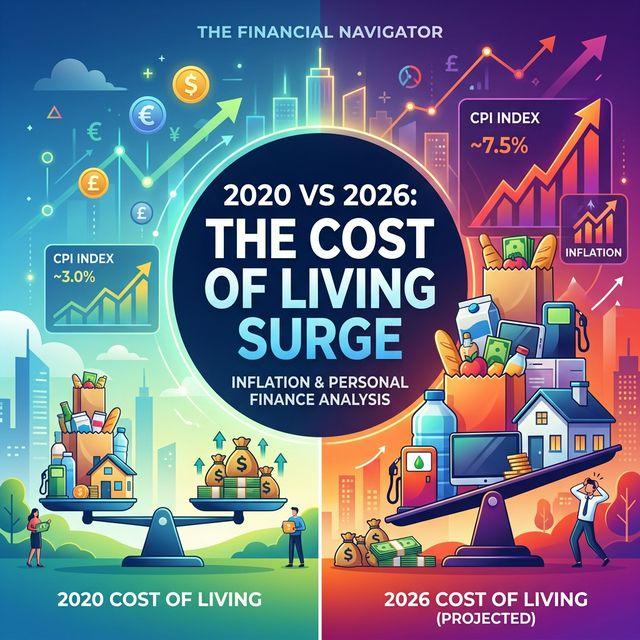
2026 Cost of Living: How Much More vs 2020?
Inflation since 2020 hit 25.7%. Auto insurance up 55%, eggs 69%, rent 36%. See how much more every category costs vs your income.
Related across Convertz
Country guides, key terms, and rate history that connect to this article.
Country guides
Glossary
- Foreign Transaction FeeA foreign transaction fee is a surcharge — typically 1–3% of the purchase amount — that cr…
- Base and Quote CurrencyIn any currency pair, the first currency listed is the "base" and the second is the "quote…
- Capital ControlsCapital controls are government restrictions on the cross-border flow of money — limiting …