Best Time to Exchange Currency: When to Get the Best Rate
Learn when currency exchange rates are most favorable. Tips for timing your currency exchanges for travel, business, and investments.
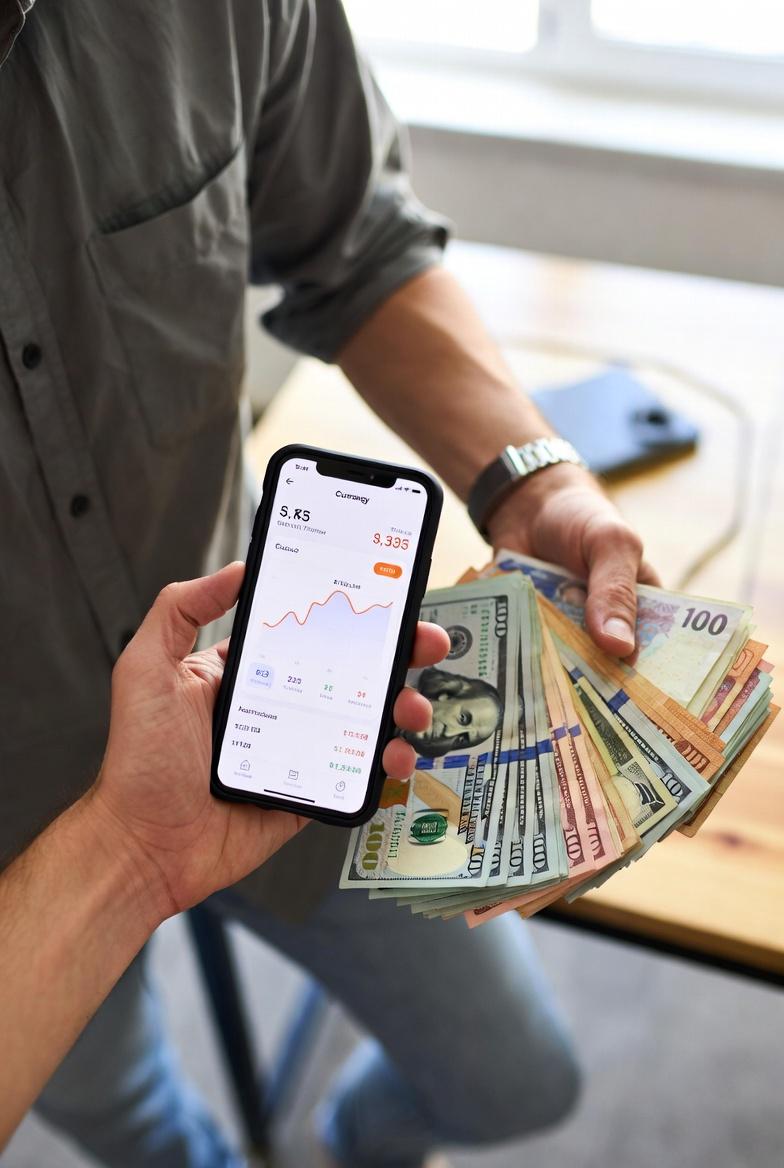
Does Timing Matter for Currency Exchange?
Yes, exchange rates fluctuate constantly based on market conditions. Understanding these patterns can help you get more value when exchanging currency.
Daily Exchange Rate Patterns
Market Hours Matter
Currency markets operate 24/5, but activity varies:
Most Active Trading Hours (UTC):
- 8am-4pm London - Highest EUR, GBP volume
- 8am-5pm New York - Highest USD activity
- 12am-9am Tokyo - Asian currency focus
- During high-volume periods for tighter spreads
- Overlap hours (London/New York: 1pm-4pm GMT)
- Avoid weekends when markets are closed
- Monday: Often volatile as markets react to weekend news
- Mid-week: Generally more stable
- Friday: Can see volatility before weekend closure
- January: New year portfolio rebalancing
- Summer: Travel demand increases USD
- Major holidays: Thin trading, wider spreads
- Year-end: Tax-related transactions
- Central Bank Decisions
- Economic Data Releases
- Political Events
- Rates often move significantly after major announcements
- Wait for markets to settle before exchanging large amounts
- Check economic calendars for scheduled releases
- Monitor rates for several weeks
- Set rate alerts for your target rate
- Exchange when rate is favorable, not last minute
- Airport exchanges (10-15% worse rates)
- Hotel currency desks
- Last-minute panic exchanges
- Forward contracts to lock in rates
- Regular scheduled exchanges (dollar-cost averaging)
- Currency accounts to hold foreign currency
- Compare multiple providers
- Negotiate rates for large amounts
- Consider market limit orders
- Split transactions across favorable periods
- Historically stronger EUR in spring
- USD strength in Q4
- Summer weakness common
- Year-end volatility
- Banks offer this service
- Currency apps and websites
- Our converter shows live rates
- Compare current rate to historical average
- Identify if current rate is favorable
- Track trends over time
- Avoid last-minute exchanges - Plan ahead
- Compare providers - Rates vary significantly
- Watch for events - Avoid exchanging during volatility
- Use mid-market rate as benchmark - How close can you get?
- Consider recurring exchanges - Average out fluctuations
Best Times to Exchange:
Day of the Week
Studies show subtle patterns:
Seasonal Patterns
Strong Dollar Periods
Holiday Impacts
Economic Events That Move Rates
High-Impact Events
- Federal Reserve (USD)
- European Central Bank (EUR)
- Bank of England (GBP)
- Employment reports
- GDP figures
- Inflation data
- Elections
- Trade agreements
- Geopolitical tensions
Trading Around News
Strategies for Better Rates
For Travelers
Before Your Trip:
What to Avoid:
For Businesses
Hedging Strategies:
For Larger Amounts
When exchanging significant sums:
Historical Rate Analysis
Looking at historical patterns can inform timing:
EUR/USD Tendencies
GBP/USD Patterns
Note: Past patterns don't guarantee future performance
Tools for Rate Monitoring
Rate Alerts
Set notifications for your target rate:
Rate Tracking
Quick Tips for Best Rates
Common Mistakes to Avoid
❌ Exchanging at airports or hotels
❌ Accepting "no commission" offers without checking rate
❌ Exchanging all at once during unfavorable rates
❌ Ignoring exchange fees in total cost
❌ Waiting until destination to exchange
Track Currency Rates
Use our currency converter to monitor live exchange rates and find the best time to exchange. Compare rates across 180+ currencies instantly.
Disclaimer
This article is for informational purposes only and does not constitute financial advice. Currency markets are highly volatile and carry significant risk. Past performance is not indicative of future results. Always consult with a qualified financial advisor before making investment decisions. Convertz.app provides tools for conversion and tracking only - we do not provide investment recommendations.
Live Currency Converter
Convert between 150+ currencies at the live mid-market rate — refreshed every minute from Frankfurter (ECB reference data).

Andrew
·Founder of ConvertzBuilding free, accurate conversion tools for everyone. All content is AI-assisted and editorially reviewed for accuracy. Learn more about Convertz
Try Our Free Converters
Convert currencies, cryptocurrencies, units, and files instantly with our free online tools.
Related Articles

The End of Financial Privacy? Programmable Money and Who Controls Your Cash
Digital money can be tracked, controlled, and frozen in ways physical cash never could. As CBDCs, stablecoins, and programmable payments replace cash, who gets to watch — and who gets to decide what you can spend? The privacy battle behind the future of money.

When Software Becomes the Customer: Inside the AI-Agent Economy
For all of history, every transaction had a human on at least one end. In 2026 that ended — AI agents now shop, negotiate, and pay on their own. Here is how the machine economy works, who is racing to build its payment rails, and what it means for you.

Gold Just Beat US Treasuries — The Hard-Asset Side of the New Money System
For the first time since 1996, the gold held by foreign central banks is worth more than their US Treasury holdings. As money goes digital, the world is quietly re-anchoring to hard assets — gold, silver, copper, uranium. Here is the resource story behind the financial revolution.
Related across Convertz
Country guides, key terms, and rate history that connect to this article.
Country guides
Glossary
- Money SupplyMoney supply is the total amount of money in circulation in an economy at a given time. Ce…
- Mid-Market RateThe mid-market rate is the midpoint between the buy (bid) and sell (ask) price of a curren…
- Carry TradeA carry trade is the strategy of borrowing money in a low-interest-rate currency and inves…