

Currency in South Africa
The complete South African Rand (ZAR) travel guide

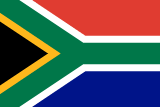
The South African Rand (ZAR, symbol R) is the official currency of South Africa, Lesotho (alongside loti), Eswatini (alongside lilangeni), and Namibia (alongside Namibian dollar). Issued by the South African Reserve Bank (SARB), banknotes come in R10, R20, R50, R100, and R200 denominations featuring Nelson Mandela on every note (since 2012); coins in 5c, 10c, 20c, 50c, R1, R2, R5. ZAR is one of the most-traded emerging-market currencies in Africa and a popular carry-trade target due to high real interest rates.
Cash, cards, and ATMs in South Africa
South Africa is extensively card-friendly in Cape Town, Johannesburg, Durban, and major game-reserve lodges. Visa and Mastercard work nearly everywhere; tap-to-pay is standard. Amex acceptance is moderate (chain hotels and upscale restaurants). Cash is essential at township markets, taxi ranks, car-guard tips, and small rural businesses. ATMs at Standard Bank, FNB, ABSA, Nedbank, and Capitec branches accept foreign cards, with per-transaction limits of R3,000–5,000 ($165–275) and fees of R50–100 per withdrawal. SnapScan and Zapper are popular local QR-payment apps but require South African bank accounts.
Tipping culture in South Africa
Tipping in South Africa is significant — service workers depend on tips as a meaningful part of income. Restaurants: 10–15% is standard (some upscale restaurants add 10% gratuity for parties of 6+, in which case no additional needed). Taxis: 10% or round up. Hotels: R20–50 per bag for porters; R20–50 per night for housekeeping. Tour guides at safari lodges: R200–500 per person per day; specialty trackers get the same separately. Car guards (informal parking attendants): R5–10 standard. Petrol attendants (fuel is full-service): R5–10. Spa/salon: 10–15%.
Best way to get South African Rand (ZAR)
For USD-to-ZAR, multi-currency cards (Wise, Revolut) deliver rates within 0.5–1% of mid-market. Avoid OR Tambo (JNB) and Cape Town (CPT) airport currency exchange counters — spreads of 5–8% above mid-market are common. Bidvest Bank, Travelex, and Master Currency offices in major shopping centers (Sandton City, V&A Waterfront) offer competitive rates. For substantial transfers ($10,000+), Wise, OFX, and CurrencyFair all beat major South African banks by 1–3% on total delivered amount. South African residents face Exchange Control Regulations that limit outbound transfers without SARS approval.
Practical money tips for South Africa
- •Always tip car guards (formal-attire informal parking attendants) — R5–10 is standard and they protect your car
- •Get a tourist SIM card on arrival (Vodacom, MTN, Telkom, Cell C) — 7-30 day plans available for R200–500
- •Uber dominates ride-hailing in cities — much safer than street taxis; minibus taxis are for locals, not recommended for tourists
- •VAT (15%) refund available for foreign visitors on purchases over R250 from participating retailers; claim at airport
- •South Africa plug types M and N (unique — different from US/EU); voltage 230V/50Hz — pack universal adapter; many hotels provide adapters
- •Petrol stations are full-service; tip R5–10 for the fill-up
- •Carry small bills (R10, R20, R50) for tips and informal transactions
Common money scams to avoid in South Africa
Common tourist money scams in South Africa include: ATM scams in Johannesburg downtown where strangers offer to "help" with a card issue and skim PIN/card; "follow-home" robberies after withdrawing large cash from ATM (always use bank-branch ATMs during daylight); rigged taxi fares from OR Tambo airport (use Uber, Bolt, or pre-booked transfer); fake "tour guide" approaches at Table Mountain cable car (use only V&A Waterfront-licensed tour operators); and inflated braai/dinner bills at Cape Town tourist restaurants (always check the bill carefully). Safety remains a meaningful concern — exercise standard precautions, especially after dark in Johannesburg and parts of Cape Town.
Frequently asked questions
Can I use US dollars in South Africa?
No — ZAR is the only accepted currency. Some Cape Town tourist businesses accept USD at terrible rates. Always convert to ZAR via a bank ATM, Bidvest currency exchange, or Wise card.
How much cash should I bring to South Africa?
Plan on R500–1,500 ($30–80) per day in cash for tips, car guards, taxi rides outside Uber, and small shops. With cards accepted at hotels and restaurants, your supplementary card spend covers the rest. South African ATMs cap foreign-card withdrawals at R3,000–5,000 per transaction.
Why is the South African Rand so volatile?
ZAR is among the world's most volatile major currencies due to: commodity-export dependence (gold, platinum, coal), high real interest rates that attract and lose carry-trade capital, political uncertainty, structural electricity shortages (load-shedding), and exposure to global EM risk cycles. USD/ZAR has ranged from 6 (2010) to 19+ (2023) — among the widest swings of any G20 currency.
What's the best way to send money to South Africa?
For USD-to-ZAR, Wise and OFX consistently offer the lowest total cost (typically 0.7–1.5% margin). Western Union has wider spreads (3–5%) but offers cash pickup at thousands of locations. For amounts over $10,000, Wise typically wins by 2–3% versus traditional bank wires.
Why does ZAR feature Nelson Mandela on every note?
SARB redesigned all ZAR banknotes in 2012 to feature Nelson Mandela on the front, with the "Big Five" (lion, leopard, rhino, elephant, buffalo) on the reverse. The 2018 special-edition R100 marked Mandela's 100th birthday. The redesign was intended to honor Mandela and to update security features against counterfeiting.
Convert to and from ZAR
More about ZAR and South Africa
Key terms, rate history, and articles for travelers and senders.
Glossary
- Foreign Transaction FeeA foreign transaction fee is a surcharge — typically 1–3% of the purchase amount — that cr…
- Reserve CurrencyA reserve currency is held in significant quantities by central banks and other major fina…
- EurodollarA eurodollar is a US dollar deposit held in a bank outside the United States — typically i…
Rate history
- USD/ZAR historyUSD/ZAR is one of the world's most volatile major emerging-market pairs, with daily ranges often 1-2% and rare episodes of 5%+ moves
- GBP/USD historyGBP/USD ("Cable" in forex slang, named for the 19th-century transatlantic telegraph cable) has been one of the most politically-driven major pairs of the last decade
Articles
- USD vs EUR: Exchange Rate History and AnalysisUSD/EUR exchange rate history from 1999 to 2026. Key events, economic forces, and trends shaping the world's most traded pair.
- The Dollar Just Hit a 4-Month Low — What a Weaker USD Means for YouThe DXY fell to a 4-month low in May 2026 as Powell exited the Fed and Kevin Warsh prepares to take over with a dovish tone. Here is what a weaker US dollar actually means for travel, savings, gold, and investments — and what to do now.
- Best Time to Exchange Currency: When to Get the Best RateLearn when currency exchange rates are most favorable. Tips for timing your currency exchanges for travel, business, and investments.
Other country currency guides


Exchange rates refresh hourly from Frankfurter (European Central Bank reference data). Travel money information was compiled in 2026 and reflects current cash/card culture, tipping norms, and common scam patterns.